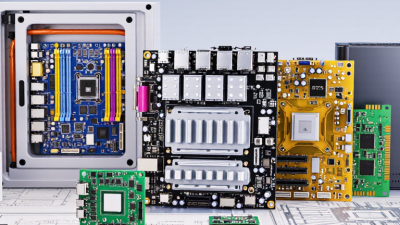
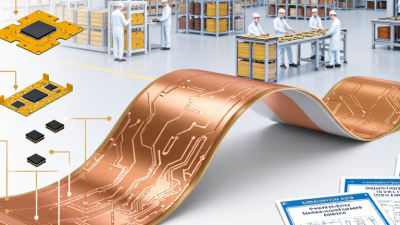
What are the best PCB types in China? There is no single answer. The right choice depends on a product’s electrical needs, shape, operating conditions, and production volume. Chinese manufacturers offer a broad range of pcb types, from simple single-sided boards to dense multilayer designs. They also make flexible, rigid-flex, and metal-core PCBs for applications with different space and heat demands. A compact controller, for example, may need fine-pitch routing, while an LED assembly may benefit from an aluminum base that helps move heat away.
The details matter. A board that looks suitable in a catalog may not fit the actual circuit or assembly process. Buyers should compare layer count, material, copper weight, minimum trace spacing, finish, and tested tolerances. Ask for stack-up drawings and manufacturing notes. Check sample boards, inspection records, and the supplier’s ability to support design-for-manufacturing reviews. These steps can reveal issues before a large production run begins.
Low cost alone is a weak guide. So is a polished product page. A supplier’s capabilities should match the board’s complexity and the project’s quality requirements. Be cautious with claims that one PCB type suits every application; real designs involve trade-offs. Even a well-specified board can need revision after prototype testing. This guide compares common PCB types available in China and explains where each may fit, what to verify, and which questions deserve a closer look before choosing a manufacturing partner.
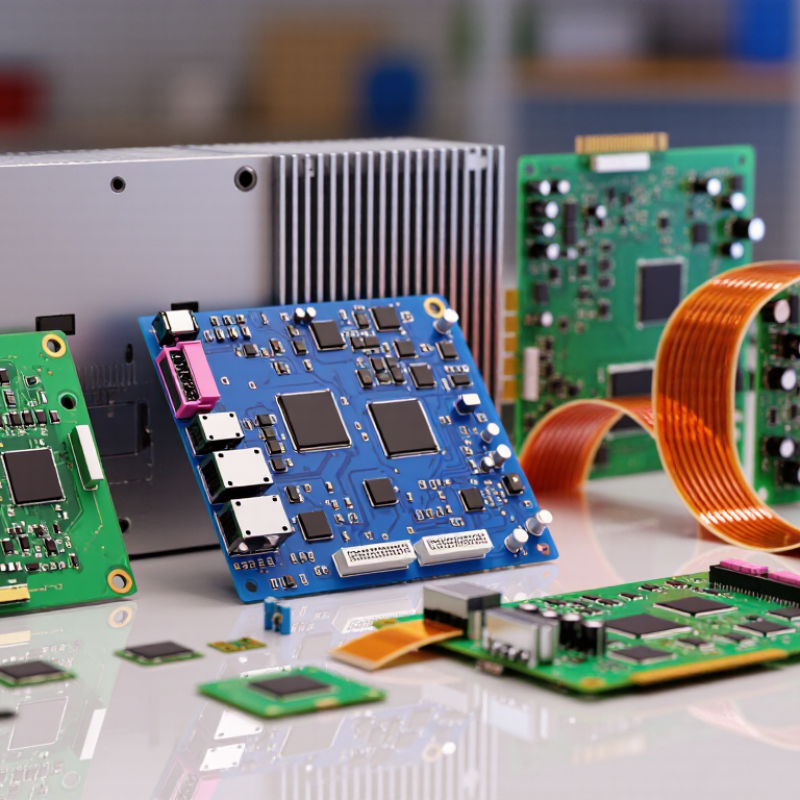
A printed circuit board connects electronic components and provides a stable path for electrical signals. The right type depends on the device’s shape, operating conditions, and production needs. Common options include single-sided, double-sided, and multilayer boards. Each adds different levels of routing capacity and design complexity. More layers are not automatically better.
Single-sided boards place conductive copper on one side, making them suitable for simpler circuits and cost-conscious products. Double-sided boards use both faces, allowing more connections in a compact area. Multilayer boards stack several copper layers, supporting dense layouts in devices such as control systems and communications equipment. Rigid boards suit fixed shapes, while flexible boards bend around tight spaces. Rigid-flex designs combine both. One detail is easy to overlook: bends, heat, and vibration can affect material choice, so a drawing alone may not tell the whole story.
Tips: Match the board type to the real operating environment. Ask for material, layer-count, and test details before comparing quotes. If the design is still changing, confirm that with your manufacturer early. That can prevent avoidable revisions.
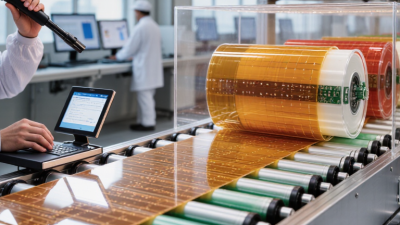
China’s PCB factories produce single- and double-sided boards, multilayer boards, high-density interconnect (HDI) boards, flexible circuits, rigid-flex boards, and metal-core boards. Prismark’s 2024 industry analysis estimated that China accounted for about 54% of global PCB production value in 2023. That scale supports varied production runs, but it does not guarantee identical quality across suppliers or product lines.
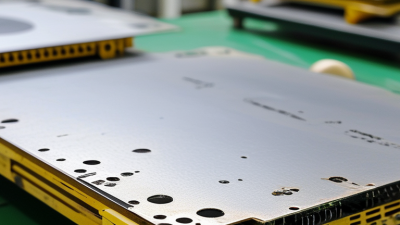
Each type fits a different build. Multilayer boards route dense connections through stacked copper layers, making them common in computing and communications equipment. HDI boards use fine traces and microvias for compact devices. Flexible circuits bend around hinges or curved housings; rigid-flex combines bendable sections with stable board areas. Metal-core boards help move heat away from power components. IPC’s design guidance also stresses matching board construction to electrical, thermal, and mechanical demands. A thinner stack may save space, but it can complicate fabrication and inspection.
Tips: Ask for the layer stack-up, copper thickness, material details, and inspection criteria before ordering. Check sample boards closely. A neat drawing alone cannot reveal every manufacturing issue.
The right PCB type depends on the product, not its country of manufacture. Standard FR-4 boards suit many control units and consumer devices. Multilayer boards save space when a design needs dense routing. HDI boards use finer features and microvias, but their extra process steps can raise cost. Rigid-flex designs fit compact products that move or fold, though they require careful mechanical planning. There is no universal winner.
Design choices shape performance before fabrication begins. High-speed signals need controlled impedance, short return paths, and sensible layer placement. Power circuits may need wider copper traces to limit heat and voltage drop. Reliability also depends on operating temperature, board thickness, and connector stress. Small details matter.
A crowded layout can make inspection and repair harder. I still find that early cost estimates can miss the impact of tight tolerances. Ask the fabricator to review drill sizes, spacing, copper weight, and material availability before finalizing the design. Fewer layers may lower the initial quote, yet poor routing can create signal problems or costly revisions. A clear stack-up drawing helps both engineering and production teams catch mismatches early.
PCB choice depends on the product’s heat, space, and signal demands. Rigid boards are common in appliances, industrial controls, and consumer electronics. Multilayer rigid boards suit routers, computers, and other devices carrying dense circuits. Prismark’s 2024 industry report estimates global PCB production value at about US$69 billion in 2023, showing the scale of this diverse market. One figure cannot describe every application, though.
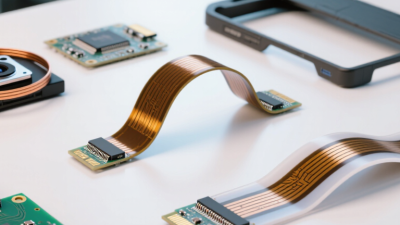
Flexible PCBs fit cameras, wearable devices, and compact displays, where cables or moving parts need a bendable connection. Rigid-flex boards combine fixed mounting areas with flexible sections, reducing connectors in some medical and aerospace equipment. High-density interconnect boards support fine-pitch components in smartphones and small computing devices. Aluminum-backed PCBs help move heat away from LED lighting and power electronics. For design and qualification, engineers can consult IPC-6013, which covers flexible and rigid-flex printed boards. The right stack-up still depends on testing.
What Are the Best PCB Types in China?
How to Choose the Right PCB Type for Your Project
The right PCB type depends on the board’s job, not its location. For a compact device with fine-pitch components, consider an HDI board. Standard rigid FR-4 often suits control circuits and simpler products. Flexible boards fit moving parts or narrow spaces; rigid-flex can combine both, but usually adds design and manufacturing complexity. Prismark’s 2023 PCB industry report estimated global production value at $73.9 billion, down 15.6% from 2022. That changing market is a reminder to compare current supplier capabilities, not rely on old assumptions.
Start with practical constraints: layer count, trace spacing, operating temperature, expected volume, and delivery schedule. For example, a board beside a hot power component may need a thermal design review; a flex section needs its bend radius specified. Ask manufacturers to review your stack-up and fabrication files before ordering. A thinner board may save space, but it is not automatically the better choice. Sometimes the first design needs revision.
Tips: Send the same files and specifications to each supplier. Compare sample inspection results, stated tolerances, and lead times alongside price. Confirm whether quoted materials and finishes match your requirements. A small prototype run can reveal fit or assembly problems before production.
Representative copper-layer counts for common PCB constructions
These are illustrative configurations, not fixed limits: single-sided boards have one copper layer, double-sided boards have two, and multilayer, HDI, and rigid-flex designs are available in a range of layer counts. Choose based on routing density, board space, mechanical requirements, and budget.