
Choosing the right international AC adapter can be challenging. With so many options available, it’s vital to understand your specific needs. An international AC adapter is essential for travelers who rely on various devices.
This adapter must be compatible with different plug types and voltage ranges. Think about your travel destinations. Each country may have unique power requirements. Research is crucial here. Look for an adapter that provides multiple plug options and supports multiple voltages.
Always prioritize safety. An unreliable adapter can damage your devices. Read user reviews to gauge reliability. Recommendations from experienced travelers can also guide you. Remember, not all adapters are created equal. Evaluate the features carefully before making a purchase. This decision impacts your travel experience.
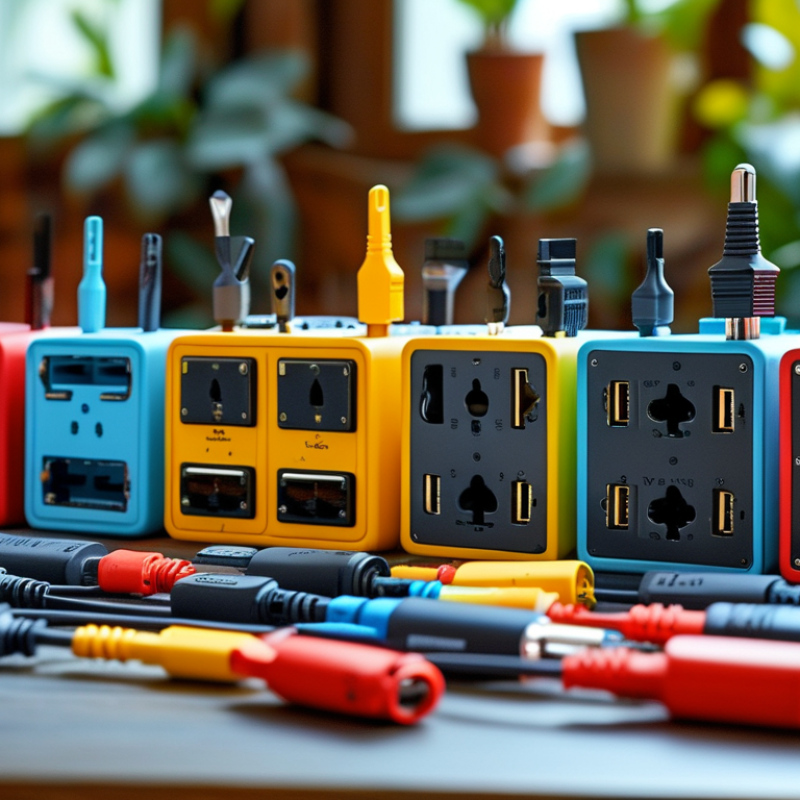
When traveling internationally, understanding the importance of an international AC adapter is crucial. Different countries have varying voltage and plug designs. This can lead to confusion and inconvenience if you’re unprepared. A reliable adapter ensures that your devices charge correctly without damage. It protects against power surges and incorrect voltage, which can be costly.
Moreover, using an international AC adapter can enhance your travel experience. It enables you to connect with others easily. Whether you’re in a hotel, café, or at a friend’s home, having the right adapter allows you to keep your devices operational. It’s frustrating to find out that your phone or laptop cannot charge simply because of a missing adapter.
However, choosing an adapter isn’t always straightforward. You may encounter options that seem too similar. Sometimes, they don’t work as advertised. This can lead to disappointment or wasted money. It’s important to research and make informed choices based on reviews and specifications. Always consider safety features and compatibility to avoid potential mishaps. Embracing the nuances of international travel requires preparation. Adapters are small but significant components in that journey.
When choosing an international AC adapter, several key features are essential. First, check the voltage compatibility. Many adapters support a wide range of voltages, typically from 100V to 240V, making them suitable for global travel. According to the International Energy Agency, nearly 1.5 billion people travel internationally each year, highlighting the demand for versatile adapters.
Another crucial feature is the plug type. Different countries use various plug configurations. An ideal adapter will include multiple plug types for convenience. A recent survey found that 68% of travelers encounter issues with plug compatibility, which can lead to inconvenience or even damage to devices.
Tips: Look for an adapter with built-in surge protection. This feature can shield devices from voltage spikes. Additionally, consider the size and weight of the adapter. Travelers often prioritize compact designs that fit easily into luggage. Lastly, read reviews to gauge the reliability of different models. Many users share experiences that can identify potential flaws or unexpected benefits.
Choosing an international AC adapter requires careful consideration of compatibility with various plug types and voltage ratings. Different countries use distinct plug designs. For instance, the UK uses Type G, while countries in Europe use Types C and E. Understanding these differences is crucial for travelers. A plug adapter may not handle voltage differences, leading to device damage.
Voltage ratings add another layer of complexity. Most electronic devices designed for global use support dual voltage, typically 100V to 240V. However, not all devices meet this standard. Verify your device's specifications before travel. If unsure, a universal adapter with built-in voltage converters can be a safe choice.
Inadequate information can lead to improper use and potential hazards, like overheating or short-circuiting. Travelers often overlook details like wattage limits, too. Be aware of your device’s power consumption to avoid issues. A reliable international AC adapter can enhance your travel experience, but rushing this choice can lead to frustration and lost opportunities.
| Country | Plug Type | Voltage (V) | Frequency (Hz) | Notes |
|---|---|---|---|---|
| United States | Type A/B | 120 | 60 | Commonly used, check device compatibility. |
| United Kingdom | Type G | 230 | 50 | Requires adapter for most devices. |
| Europe | Type C/E/F | 230 | 50 | Widely used across multiple countries. |
| Australia | Type I | 230 | 50 | Different from US and European plugs. |
| Japan | Type A/B | 100 | 50/60 | Lower voltage, ensure compatibility. |
When choosing an international AC adapter, safety standards play a critical role. Adapters must meet rigorous safety certifications to ensure user protection. For instance, the International Electrotechnical Commission (IEC) standards govern safety for electrical devices. Adapters that comply with IEC 60950-1 are considered reliable. This standard addresses electrical shock and fire risks.
Data from the International Association of Electrical Inspectors shows that nearly 30% of electrical incidents are linked to faulty adapters. Adapters lacking necessary certifications pose severe hazards. Look for certifications like UL, CE, or FCC, which reflect adherence to stringent safety protocols. These certifications indicate not just regulatory compliance but also a commitment to quality and safety.
It's essential to remember that not all adapters are created equal. Some may have the necessary certifications, yet still fail in real-world scenarios. User reviews can be insightful but should be approached with caution. It's advisable to consider the reputation of the testing organization behind the certification. Inconsistencies in safety ratings should encourage further investigation before making a purchase. Always prioritize safety by seeking adapters with a proven track record and credible certifications.
When selecting the right AC adapter for your travel needs, consider the voltage requirements. Different countries use varying voltage standards. For example, Europe often uses 230 volts, while North America uses 120 volts. Using an adapter that supports a wide voltage range can help avoid complications during your travels. Inspect the input range on your adapter, ensuring it can handle the voltages of the destinations you plan to visit.
Another important factor is the plug type. Various regions utilize different plug shapes and sizes. You might find yourself needing several adapters if you travel to multiple areas. Some universal adapters cover a range of plug types, offering convenience. However, not all adapters are created equal; some might lack grounding features, which can pose safety risks. It’s wise to research and choose an adapter that balances versatility with safety.
Also, think about your power needs. Do you travel with multiple devices? In that case, select an adapter with multiple USB ports or outlets. This can save you from the hassle of finding multiple charging stations in a crowded hotel. However, be cautious—overloading your adapter can lead to overheating. Choose units with built-in surge protection for added safety. A well-chosen adapter can enhance your travel experience significantly, making it easier to stay connected.