How to Choose the Right Photovoltaic Connectors for Your Project?
Choosing the right Photovoltaic connectors is crucial for any solar project. According to a report by the International Renewable Energy Agency (IRENA), the global solar capacity reached 940 GW in 2021. This growth highlights the importance of reliable components. Photovoltaic connectors ensure effective power transmission and system longevity.
Selecting appropriate connectors can be challenging. Factors include environmental conditions, installation site, and compatibility with solar panels. A report from Grand View Research states that the photovoltaic connectors market is projected to grow significantly. This growth indicates more projects will rely on quality connectors.
However, not all connectors are equal. Some may not withstand harsh environments, leading to failures. Contractors must be diligent when choosing connectors. Reliability and efficiency are paramount. Each decision impacts the overall performance of the solar system, and a wrong choice can lead to costly repairs or energy losses.
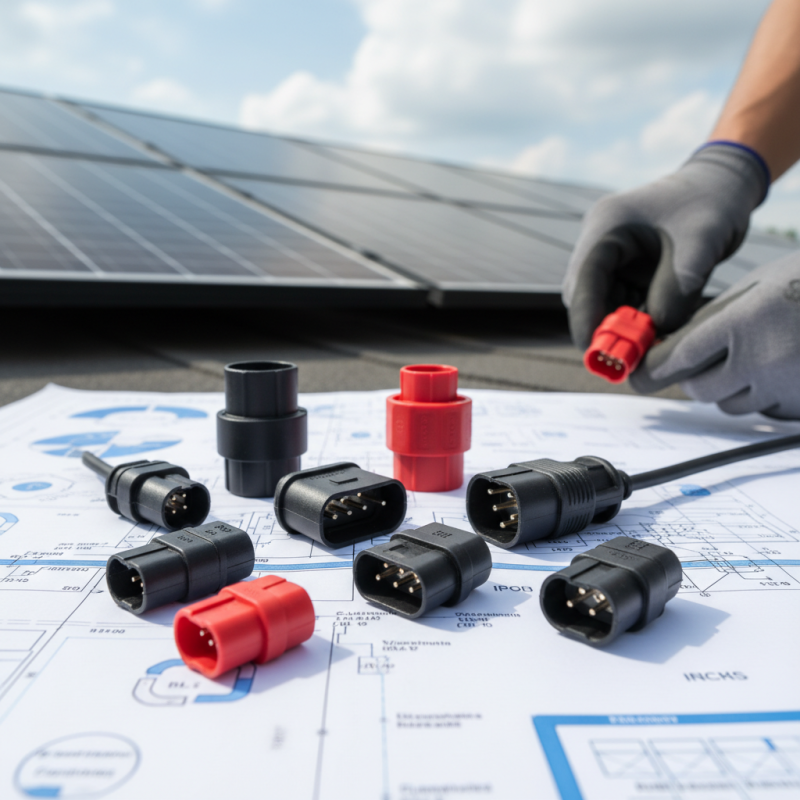
Understanding the Different Types of Photovoltaic Connectors Available
When choosing photovoltaic connectors, understanding the types available is crucial. The most common types include MC4, Tyco, and Amphenol connectors. Each type has specific features and benefits. MC4 connectors are popular for their reliability and ease of use. They can be easily connected and disconnected without tools.
Tyco connectors offer a versatile solution in various applications. They often come with safety features to prevent reverse polarity. Amphenol connectors are known for their robust design. They are more suited for extreme weather conditions.
Tip: Ensure the connectors' ratings match your system's voltage and current. Mismatched ratings can lead to failures.
Different projects may require different connector types. It's essential to assess your specific needs. If you're installing in a damp area, choose connectors designed to resist moisture. Check the compatibility with your solar panels too.
Tip: Research potential connectors before purchasing. This can help avoid costly mistakes. A connector might look robust but can underperform in certain conditions. Always invest some time into understanding the technical specifications.
Evaluating Compatibility with Solar Modules and Inverters
Choosing the right photovoltaic connectors is crucial for system performance. Compatibility with solar modules and inverters plays a significant role. Poor connections can lead to energy losses. According to a recent industry report, up to 80% of installation issues stem from incorrect component choices. It’s essential to match connectors with the specifications of your solar modules.
When evaluating connectors, check their rated current and voltage. This ensures they handle your system's requirements. Look for connectors that meet or exceed the standards set by IEC 62852. Such connectors offer better durability and safety. In addition, consider temperature ratings. High temperatures can degrade connectors over time. Always refer to manufacturer guidelines for compatibility details.
Tip: Use connectors that are
IP68 rated. They provide excellent resistance against dust and water ingress. This is vital for outdoor installations.
Ensure you test connections regularly. This helps in identifying issues early. Sometimes, connectors may seem fine visually, yet function poorly. Regular maintenance can help optimize energy output.
Tip: Keep track of installation dates. Schedule annual inspections to ensure long-term reliability. Great performance becomes challenging when neglect occurs.
Assessing Environmental Durability and Performance Ratings
When selecting photovoltaic connectors, assessing environmental durability is crucial. Connectors face harsh conditions, such as extreme temperatures and moisture. Choosing materials that withstand abrasion and corrosion is essential. Look for options with high IP ratings, indicating resistance to dust and water. Connectors must also handle UV exposure, ensuring they won’t degrade in sunlight.
Performance ratings matter significantly too. Focus on electrical ratings, such as current and voltage capacity. Ensure connectors can handle the system's demands without overheating or failing. Test conditions, like thermal cycling and mechanical stress, help gauge long-term performance. However, real-world results often differ from lab tests. You may find unexpected failures in harsh applications.
It’s important to regularly assess the performance of your connectors. Even durable options may require maintenance. Periodic checks can reveal wear and tear, helping prevent downtime. Consider feedback from field tests. Adjusting your choices based on experience will lead to better outcomes. Making informed decisions now can save time and money in the future.
Considering Installation and Maintenance Requirements
When considering photovoltaic connectors for your project, installation requirements are crucial. The environment influences the choice of materials. If your project is in a wet area, connectors must be waterproof. In dusty environments, dustproof options are essential. Select connectors that can withstand temperature variations. This ensures longevity and performance.
Maintenance requirements also matter. Some connectors require regular checks to ensure they function correctly. Choose connectors that allow easy access for inspection. Tools should be readily available and usable without special training. Think about how often you will need maintenance. The right choice can save time and costs in the long run.
Not every option fits every project. In some cases, the most durable connectors could be overkill. Evaluate the specific needs of your setup carefully. Sometimes, less expensive connectors suffice but may need more frequent checks. Reflect on the balance between cost and reliability.
Budgeting for Quality and Longevity in Connector Selection
When selecting photovoltaic connectors, consider quality over the lowest price. Quality connectors will last longer. They withstand harsh weather and temperature changes. Investing in durable connectors reduces future costs. Cheap connectors may fail quickly, leading to expensive repairs.
Think about materials. High-quality connectors often use better plastics and metals. This enhances durability and efficiency. Look for connectors that offer a solid grip. A secure connection can improve energy transfer. Reflect on the long-term implications of your choices.
Consider the installation environment too. If your project faces extreme conditions, it might call for specialized connectors. While budget is important, don’t compromise on vital components. This can lead to frustrations down the line. Short-sighted decisions will impact overall project performance. Investing wisely now can save headaches later.