2026 How to Choose an Aluminum PCB Supplier?
Choosing an aluminum pcb supplier in 2026 means looking beyond price and attractive product photos. The board must move heat effectively while meeting the electrical and mechanical demands of its application. Small details matter. A slight change in dielectric thickness, copper weight, or base-plate flatness can affect thermal performance and assembly fit. Ask for evidence.
A reliable comparison starts with your actual design requirements. Share operating temperatures, power levels, board dimensions, and expected production volumes. Then ask suppliers to explain their material options, tolerances, surface finishes, inspection methods, and testing procedures. Request sample boards and relevant test reports before committing to a large order. Clear answers should connect specific manufacturing capabilities to your design—not rely on vague claims. That is not enough.
Also assess engineering support, production capacity, lead times, and traceability. Can the team review your files and flag manufacturability risks? Can it explain how it handles defects or schedule changes? Verify certifications and documentation directly, and confirm that quoted specifications appear in the purchase documents. A polished website can still hide gaps. No checklist catches everything, and the cheapest offer may create expensive delays later. This guide outlines practical questions and comparison points to help you choose a supplier with appropriate technical capability, consistent quality, and dependable communication. The right choice depends on your product, budget, and risk tolerance. Be specific, and keep room to reassess.

What Is an Aluminum PCB and When Is It Used?
What Is an Aluminum PCB and When Is It Used?
An aluminum PCB is a circuit board built with a metal base, usually aluminum, beneath an insulated dielectric layer and copper circuitry. The metal core helps move heat away from components.
That matters.
It can reduce hot spots, but it does not make a board immune to overheating. Copper thickness, dielectric properties, board dimensions, and cooling conditions all affect performance.
These boards are common in LED lighting, power converters, and motor-control equipment, where components can produce concentrated heat. Picture an LED board inside a compact lamp housing: heat must travel from the LED package through the board and into the fixture. An aluminum base can provide a useful thermal path while adding mechanical support.
It is not always the right choice. Low-power circuits may work well on standard FR-4, and aluminum boards can complicate routing or electrical isolation.
When evaluating a supplier, ask for the proposed layer stack, dielectric thermal data, and tested thermal results for a comparable design. Check how the board will attach to its heatsink, too; a small air gap or uneven mounting surface can undermine heat transfer. A datasheet number alone may not predict the temperature in your enclosure. Real conditions are messier.
How to Define Your Aluminum PCB Project Requirements
A reliable aluminum PCB quote starts with a clear description of the job. State the board’s length, width, thickness, and mounting-hole locations. Include the expected power dissipation and the hottest operating conditions. A board near a warm motor may need different thermal performance from one inside a ventilated control box. Give the supplier the enclosure details, too. Small gaps around the board can affect heat flow.
Define the electrical and production requirements before comparing suppliers. Specify copper weight, circuit-layer count, dielectric properties, surface finish, and acceptable dimensional tolerances. Share drawings, Gerber files, and a bill of materials when available. Identify the required quantity, prototype needs, delivery window, and any inspection or test reports. Ask how the supplier verifies dielectric thickness and thermal performance. A datasheet alone may not answer every process question. Some requirements will change after the first prototype; that is normal, but record each revision clearly.
Tips: Mark critical dimensions directly on the drawing. Send a photo or sketch of the intended installation. If a thermal target is uncertain, say so rather than presenting a guess as a fixed specification.
How to Compare Aluminum PCB Supplier Capabilities
Choosing an aluminum PCB supplier in 2026 means comparing measurable capabilities, not just quoted prices. Ask for the metal-core stack-up, dielectric thickness, thermal conductivity data, and copper-weight options. A stated thermal value matters only when its test method and material layer are clear. Ask for evidence. A sample cross-section can reveal uneven insulation or excess resin that a product sheet may not show.
Compare manufacturing limits against your actual design. Request tolerances for board thickness, outline, flatness, and hole position. For LED or power boards, check how the supplier controls solder-mask coverage near thermal pads and handles large copper areas. Ask how first articles are inspected, and whether reports include dimensions, electrical tests, and material-lot traceability. A quick review of a real inspection record is more useful than a polished capability chart.
Then evaluate engineering support. Can the team review Gerber files, flag narrow clearances, and explain where panelization may affect yield? Request prototype boards before committing to volume. Test them under your operating temperature and mounting conditions; supplier data cannot fully predict your assembly. I have seen buyers focus too heavily on thermal conductivity and overlook flatness, which later complicates heatsink contact. No comparison is perfect, so record the assumptions behind your scoring and revisit them after the first production run.
How to Verify Quality, Certifications, and Production Capacity
Choosing an aluminum PCB supplier means checking evidence, not presentation. Ask for current quality certificates and confirm the issuing body, expiry date, and scope. A certificate for general management may not cover the factory making your boards. Request recent inspection records, calibration logs, and a sample lot’s traceability trail. Compare the stated dielectric thickness and copper weight with a cross-section report. Check board flatness, burrs, solder-mask coverage, and thermal data against your drawing. Small mismatches matter. A glossy report is not enough.
Ask how defects are handled: who approves rework, how recurring failures are tracked, and whether corrective actions include measured results. If a supplier cites a standard, verify that it applies to the product and site in question. Then assess capacity against your actual order mix, not a headline monthly figure. Review line loading, tooling, shift coverage, lead times, and recent on-time delivery data. Ask what happens when demand doubles or a key process stalls. Request a pilot run and compare yield, dimensions, and delivery dates with the quotation. Capacity can look generous on paper. It may not be. A remote audit has limits; video cannot replace records or physical samples.
How to Choose an Aluminum PCB Supplier in 2026
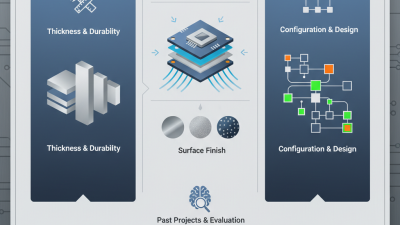
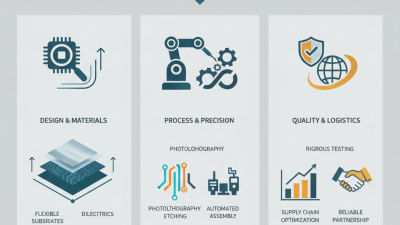
A practical supplier qualification scorecard: suggested evaluation weights, totaling 100%.
These are suggested scorecard weights, not measured industry benchmarks. Compare suppliers using documented evidence: inspect sample boards and test reports, confirm certification validity and scope, review production capacity and lead-time records, and check material traceability and corrective-action procedures.
How to Assess Pricing, Lead Times, and Supplier Support
2026 How to Choose an Aluminum PCB Supplier?
How to Assess Pricing, Lead Times, and Supplier Support
A competitive quote should explain more than the board price. Compare the aluminum base, dielectric layer, copper weight, finish, tooling, testing, and shipping as separate line items. World Bank Pink Sheet data put average aluminum prices at about $2,419 per metric ton in 2024, up from $2,256 in 2023. That movement can affect material costs, but it does not predict a board’s price by itself. Ask how long the quote remains valid and what changes could trigger a revised price. A low quote can still be the wrong quote.
Tips: Request a sample quote with the same stack-up and quantity from each supplier. Ask for the expected production start, inspection time, and shipping duration—not just a single lead-time number. IPC’s monthly North American PCB statistical releases track orders, shipments, and book-to-bill trends. These are useful market signals, not guarantees for your specific order.
Supplier support matters when drawings are unclear or a thermal issue appears. Ask who reviews your files, how quickly engineering questions receive answers, and whether inspection records ship with the boards. Request evidence, such as a sample inspection report and written process controls. A polished sales response is not the same as production support; I would test communication with one detailed technical question before placing a larger order. Small delay, big consequence.