Why Invest in a VR Game Room for Your Business?
Investing in a Vr Game Room can transform your business landscape. As James Tompkins, a leading expert in virtual reality gaming, stated, "The future of entertainment is immersive." VR Game Rooms not only attract customers but also create unique experiences that enhance engagement.
In today's competitive market, businesses are constantly seeking innovative ways to stand out. A VR Game Room can be that fresh attraction. It draws in gamers and tech enthusiasts, offering them an escape from reality. However, it's essential to recognize that setting up such a space can be expensive. The cost of high-quality equipment and space can pose challenges.
Moreover, the novelty of VR might fade over time. Businesses must consistently update their offerings to keep the experience exciting. Regular maintenance and staff training are necessary to ensure smooth operations. However, if done right, a VR Game Room can foster community and loyalty among customers. The opportunity to invest in immersive experiences is compelling, but strategic planning is key to success.
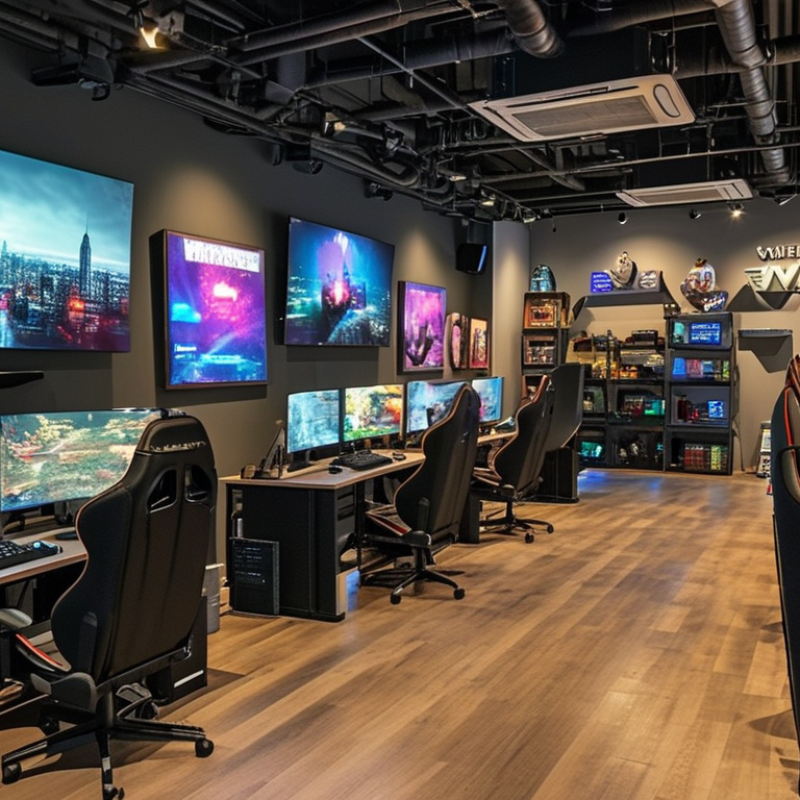
Benefits of Virtual Reality Game Rooms for Business Growth
Virtual reality (VR) game rooms are more than just entertainment. They are a powerful tool for business growth. Companies that invest in VR create engaging environments for clients and employees. These spaces offer immersive experiences that foster creativity and collaboration.
One significant benefit is enhancing customer engagement. A VR game room allows customers to interact with products in a novel way. This innovative approach can boost sales and loyalty. Employees also benefit from VR experiences. They can develop skills and problem-solving abilities in a safe environment. This investment in training can lead to better performance.
Tips for implementing VR in your business: Start with a clear vision. Understand your goals for the VR space. Tailor the experience to your audience’s needs. Monitor engagement levels to refine your offerings. Regular feedback from users can help improve the experience over time. Engaging in this technology is a step toward a more modern business strategy. However, remember that not all VR experiences will resonate equally. Balancing creativity with practicality is crucial.
Enhancing Customer Experience through Interactive VR Gaming
In today's competitive market, enhancing customer experience is crucial. Interactive VR gaming offers a unique approach that can distinguish your business. Customers crave engaging experiences, and a VR game room presents an innovative way to meet that demand. Imagine a space where visitors can immerse themselves in thrilling virtual adventures. This is not just entertainment; it fosters connections and memorable moments.
Incorporating VR into your offerings can drive foot traffic and boost customer engagement. Patrons are not just passive observers; they actively participate. This level of interaction encourages repeat visits and cultivates community. However, creating a successful VR space requires careful planning. It’s essential to choose appropriate games that appeal to your target demographic. Not every VR experience will resonate. This demands continuous assessment and adaptation.
Creating a VR game room also involves investment and expertise. Hardware and software must be regularly updated to keep experiences fresh and exciting. Training staff to assist customers in this new environment is vital. It’s a learning curve for many businesses. Some may struggle initially, but the potential rewards of improving customer experiences are significant. Reflections on initial challenges can pave the way for meaningful improvements.
Cost Considerations for Setting Up a VR Game Room
Setting up a VR game room requires careful planning. The initial investment can be significant, depending on the technology you choose. High-quality VR headsets and computers are not inexpensive. Additionally, space requirements must be considered. A dedicated area for immersive gaming is essential. This means potential costs for leasing or renovating a space.
Next, ongoing expenses are often overlooked. Maintenance of equipment is crucial for optimal performance. Regular updates and repairs can add to your budget. Staffing is another factor. Knowledgeable team members can enhance the experience for customers but will increase payroll costs. Training staff to manage the technology can take time and resources.
Finally, consider the return on investment. A VR game room can attract new clientele. However, measuring the impact of this investment can be challenging. Tracking visitor numbers and customer satisfaction involves consistent analysis. Some businesses may find that the expenses outweigh the advantages initially. Reflecting on these factors can guide better financial decisions.
Target Audience and Market Trends for VR Gaming Businesses
Virtual reality (VR) gaming is transforming the entertainment landscape. Market trends indicate a growing interest in immersive experiences. Younger audiences, particularly millennials and Gen Z, are key demographics. They seek unique, social experiences beyond traditional gaming.
The VR gaming sector has seen remarkable growth. Reports show rising consumer interest in VR rooms. Many businesses are capitalizing on this trend. However, the market is still evolving. Operators must adapt to changing preferences. Those who fail may miss opportunities. It's crucial to understand what appeals to the target audience.
Layouts and game selections matter greatly. Offering a variety of experiences can attract diverse groups. Some may prefer competitive gaming, while others enjoy solo adventures. Understanding these nuances is essential. Reflection on audience feedback will help enhance offerings. Consistently engaging this audience is vital for long-term success.
Funding Options and Financial Incentives for VR Investments
Investing in a VR game room offers exciting possibilities for businesses. However, the initial cost can be daunting. Fortunately, various funding options are available to ease the financial burden. Many local governments encourage technology investments. They offer grants and tax incentives to support businesses that delve into VR technology. These financial incentives can significantly reduce setup costs.
Moreover, financial institutions are increasingly recognizing the potential of VR. Some banks provide loans tailored for tech startups. They appreciate the growing demand for immersive experiences. Crowdfunding is another viable option. Platforms allow you to pitch your idea and raise funds through small contributions. This method not only secures finance but also builds a community around your project.
While exploring these options, businesses should be cautious. Financial planning is crucial. Know the terms of any funding. Evaluate your repayment capabilities carefully. You must reflect on the ROI of a VR game room. It requires ongoing investment in content and technology updates. Balancing excitement with practicality can lead to sustainable growth.