Skip to content

Why is PCB Design Critical for Your Electronics Projects?

PCB design is a crucial aspect of any successful electronics project. It involves more than just layout; it's about laying the foundation for the entire system. An effective PCB design enhances performance, reliability, and manufacturability. Mistakes in this phase can lead to expensive revisions later on.

In today's competitive market, engineers must prioritize efficient designs. Attention to factors like trace width, component placement, and signal integrity can make or break a project. Even experienced designers occasionally overlook details that affect performance. This speaks to the need for continual learning and adaptation in the field of PCB design.

The complexity of modern electronics amplifies the importance of sound PCB principles. From prototypes to mass production, each step demands careful consideration. By honing PCB design skills, engineers can avoid pitfalls and create products that meet both performance and safety standards. Embracing this responsibility can lead to innovation and success.
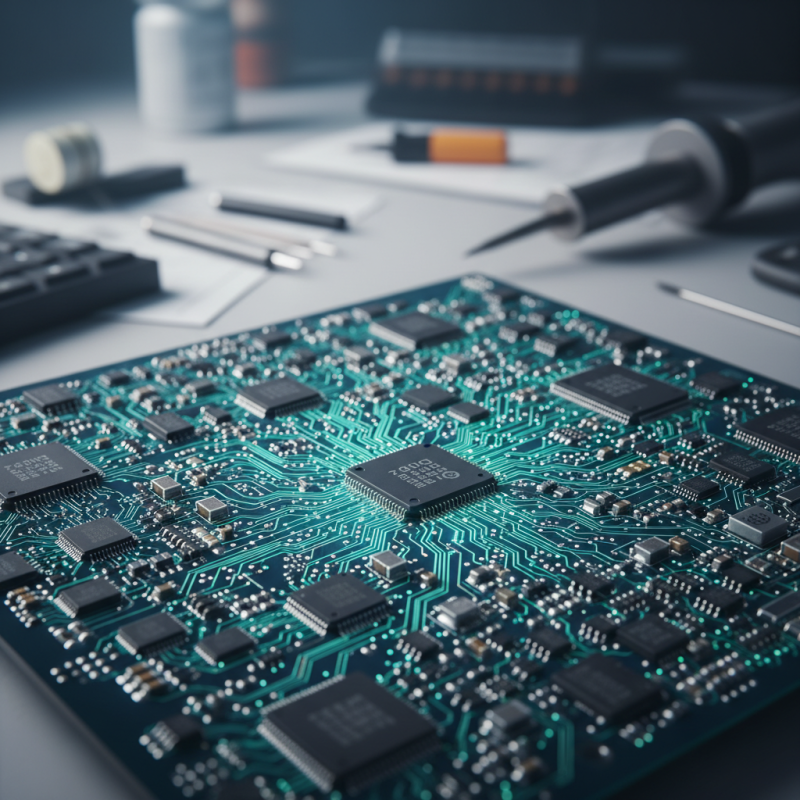
Why is PCB Design Critical for Your Electronics Projects?

Understanding the Role of PCB Design in Electronics Development

PCB design is a critical component of electronics development. A well-designed printed circuit board (PCB) can significantly influence the performance and reliability of electronic products. According to industry reports, approximately 70% of electronic failures are linked to PCB design issues. This statistic underscores the importance of comprehensive design practices in the electronics sector.

Integrating robust design principles is essential. Poor layout, inadequate trace widths, and improper component placement can lead to significant performance bottlenecks. For example, maintaining a clear ground plane can minimize noise and enhance signal integrity. It is crucial to validate the design using simulation tools. These tools can predict electromagnetic interference and thermal issues before physical production.

**Tip:** Regularly review design standards. This helps ensure compliance and avoids common pitfalls. Also, engaging in peer reviews can introduce fresh perspectives and uncover potential design flaws. Collaboration in the design phase promotes better outcomes. Stay updated with the latest design trends and technologies to improve efficiency and innovation.

Why is PCB Design Critical for Your Electronics Projects?

Aspect Description Impact on Projects
Design Complexity The intricacy of the PCB design affects the overall functionality of the electronics. A complex design may introduce errors, making it critical to balance functionality and simplicity.
Material Selection Choosing the right materials influences durability, performance, and cost. Poor material choices can lead to failures and increased project expenses.
Thermal Management Proper design considers heat dissipation which affects the longevity of components. Ignoring heat management can lead to component damage and system failures.
Signal Integrity Ensuring clear signaling paths reduces interference and enhances performance. Failure to maintain signal integrity can result in data errors and reduced system reliability.
Cost Efficiency Design choices directly impact the production costs of PCBs. Smart design can minimize costs while maximizing functionality.

Key Principles of Effective PCB Design for Reliable Functionality

Effective PCB design is fundamental to the reliability of electronic projects. A well-designed PCB ensures that electrical signals flow smoothly, reducing the risk of malfunctions. Attention to layout is crucial. Trace widths must accommodate current levels. Inadequate widths can lead to overheating and failure. Keep traces short to minimize resistance and noise.

Component placement also matters. It impacts thermal management and signal integrity. Grouping related components helps maintain functional efficiency. However, striking a balance can be challenging. Overcrowded layouts may lead to cross-talk or interference. Regularly revisiting designs for simplification can yield better results.

Understanding design rules is important. It involves knowing via sizes and pad dimensions. Misjudging these can complicate assembly and rework processes. Reviewing standards and best practices provides a solid foundation. Using simulation tools may reveal potential issues. However, relying solely on software can create blind spots. Always seek peer reviews to gain new perspectives on design choices.

Common Challenges in PCB Design and How to Overcome Them

Why is PCB Design Critical for Your Electronics Projects?

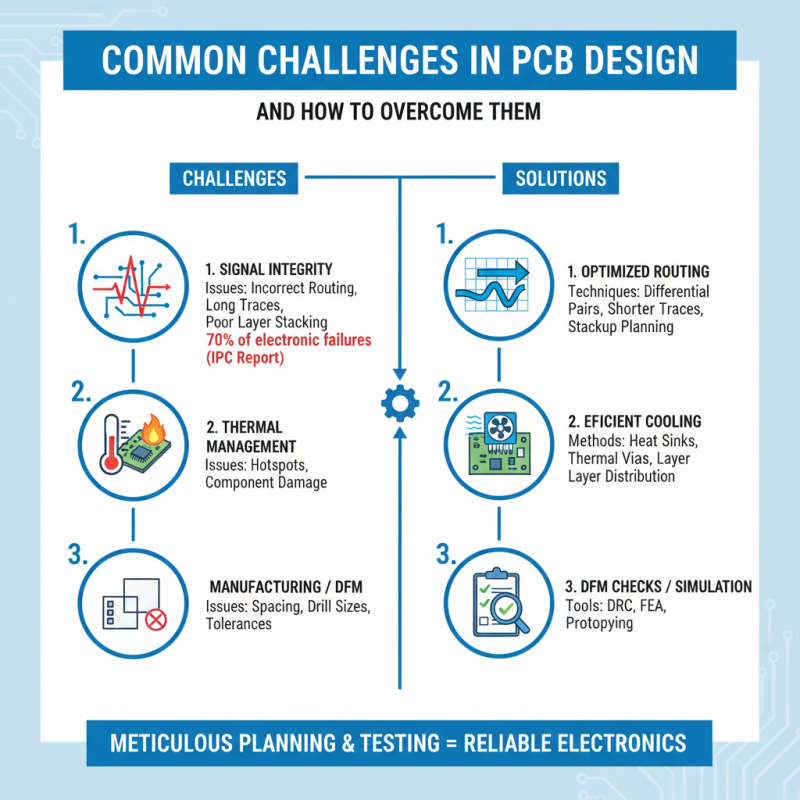
PCB design is a critical aspect of electronics projects, but it comes with its own set of challenges. One major difficulty is ensuring signal integrity. Incorrect routing, excessive trace lengths, and improper layer stacking can lead to signal degradation. According to a report from the IPC, faulty PCB design accounts for nearly 70% of electronic failures. This emphasizes the need for meticulous planning and testing in the design phase.

Another challenge is thermal management. As devices become more compact, heat dissipation becomes a significant concern. Poor thermal design can result in reduced performance or even failure of components. Data indicates that efficient thermal management can increase the reliability of PCBs by up to 30%. Designers must carefully choose materials, incorporate heat sinks, and simulate thermal flow to address these issues effectively.

Lastly, the manufacturing process can pose difficulties. Variations in production can lead to discrepancies in the final product. A study from the DfR Solutions highlights that around 30% of PCBs face issues during the manufacturing stage. Collaborating closely with manufacturers can mitigate these risks. Open communication and understanding the limits of fabrication capabilities are vital for a successful design outcome.

The Impact of PCB Design on Cost and Production Efficiency

When diving into PCB design, it’s clear that the decisions made in this stage drastically affect cost and production efficiency. A well-structured PCB can streamline the manufacturing process, reducing the time needed for assembly. Conversely, a poorly thought-out design may lead to parts shortages or even defects that require rework. Every mistake at this stage can quickly translate into additional expenses and lost time.


Optimizing PCB design means considering layout, component placement, and connections. An efficient design minimizes materials used, lowering costs. It also enhances signal integrity, which can prevent failures in functionality. However, not every design effort hits the mark. Miscalculations can lead to layout issues that complicate production. The challenges of balancing innovation with practical constraints often come into play.


The production process can be improved by testing prototypes before mass production. Engaging with reliable partners for PCB fabrication adds another layer of assurance. Yet, even with the best planning, unforeseen complications can arise. Continuous revisions and adjustments are often necessary to refine the design. Each iteration enhances not just the immediate project, but also strengthens the designer's expertise for future endeavors.

Future Trends in PCB Design and Their Implications for Innovation

Future trends in PCB design are reshaping the electronics landscape. As technology evolves, so must PCB innovation. One significant trend is the shift toward more compact and efficient designs. Engineers are facing the challenge of fitting more functionality into smaller spaces. This demand is pushing the boundaries of miniaturization and complexity.

New materials are emerging, enhancing performance and durability. For instance, flexible PCBs are gaining traction. They allow for innovative applications in wearable technology and other compact devices. Sustainability is another vital direction in PCB design. Eco-friendly materials and processes are becoming essential considerations for modern projects.

Tips for designers include focusing on thermal management early. It prevents potential failures in high-performance applications. Also, consider modular designs. They offer flexibility for future upgrades, making your project more adaptable. Finally, staying updated on industry standards is crucial. Regulations often change, and compliance can impact project timelines. By embracing these trends, you can contribute to a more innovative and sustainable electronics future.