Top 10 PC Boards for Optimal Performance in 2023
In the rapidly evolving landscape of computing technology, the selection of appropriate PC boards has become crucial for achieving optimal performance levels across various applications. Industry analysis indicates that the global motherboard market is projected to reach approximately $26 billion by 2026, driven by increasing demands for enhanced computational capacity and efficiency. PC boards serve as the backbone of these systems, influencing not only processing speeds but also overall system stability and connectivity capabilities.
As gaming, content creation, and data processing applications become more resource-intensive, users are placing greater emphasis on the quality and specifications of their PC boards to meet these emerging demands. Research from reputable sources highlights that high-performance PC boards now incorporate advanced features such as multi-GPU support, improved thermal management systems, and enhanced power delivery mechanisms, all contributing to superior performance and longevity of computing systems. In this regard, selecting the right PC board can significantly impact the end user's experience, making it essential to understand the top contenders available in 2023 that align with specific performance needs and use cases.
Overview of PC Boards and Their Importance for Performance
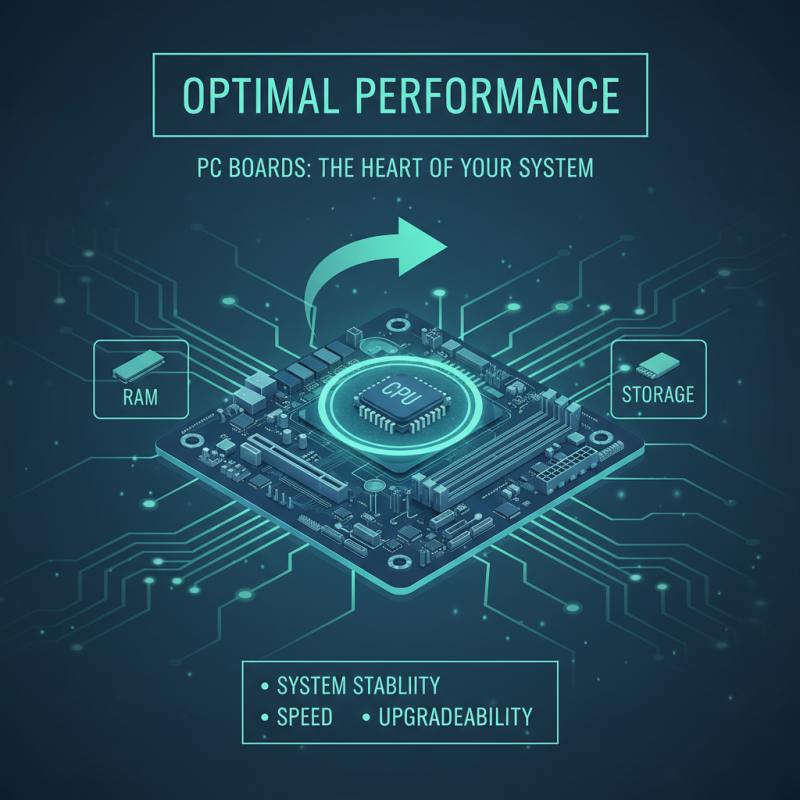
PC boards, also known as motherboards, play a crucial role in the overall performance of computer systems. They serve as the main circuit hub, interlinking all components such as the CPU, RAM, and storage devices. The choice and quality of a motherboard can dramatically influence system stability, speed, and the capability to upgrade. A well-chosen PC board not only provides a robust platform for current components but also lays the groundwork for future enhancements, making it essential for those seeking optimal performance.
When selecting a motherboard, certain factors should be taken into account to ensure maximum performance. First, consider the chipset, as it dictates compatibility with processors and features like overclocking and connectivity options. Additionally, look for boards that support advanced cooling and power management systems, as these can enhance longevity and efficiency.
Tips for optimal motherboard performance: Ensure proper ventilation and cooling solutions are in place to prevent overheating. Pay attention to the RAM slots: a motherboard that allows for dual or quad-channel configurations will generally provide better memory performance. Lastly, stay updated by checking for BIOS updates from the manufacturer, as these can significantly improve stability and compatibility with newer hardware.
Key Factors to Consider When Choosing a PC Board
When selecting a PC board in 2023, several key factors must be taken into consideration to ensure optimal performance.
First, the type of chipset used is critical, as it significantly affects the system's capabilities and compatibility with various components.
According to a recent industry report from IDC, boards with modern chipsets are projected to support advanced features such as PCIe 5.0 and improved power management, enhancing data transfer speeds and overall efficiency in high-performance tasks.
Another essential aspect is the board's form factor. Choosing the right size—whether ATX, microATX, or Mini-ITX—can impact not only the build's thermal performance but also its expandability.
The latest data from Gartner indicates that smaller boards, while often having limited expansion slots, can be perfectly suitable for compact builds without compromising power efficiency.
Additionally, if aesthetics matter, consider boards that offer customizable RGB lighting and sleek designs, as these features have become increasingly sought after in the PC enthusiast community.
Lastly, memory compatibility cannot be overlooked. With the rise of demanding applications and games, a board that supports higher RAM frequencies and capacities is essential for maximizing performance.
As reported by Jon Peddie Research, systems utilizing faster memory have showcased up to a 20% improvement in processing tasks—a vital consideration for gamers and professionals alike.
By focusing on these key factors, users can select a PC board that not only meets their current needs but also ensures future-proofing as technology continues to evolve.
Top 10 PC Boards for Gaming and High-Performance Tasks
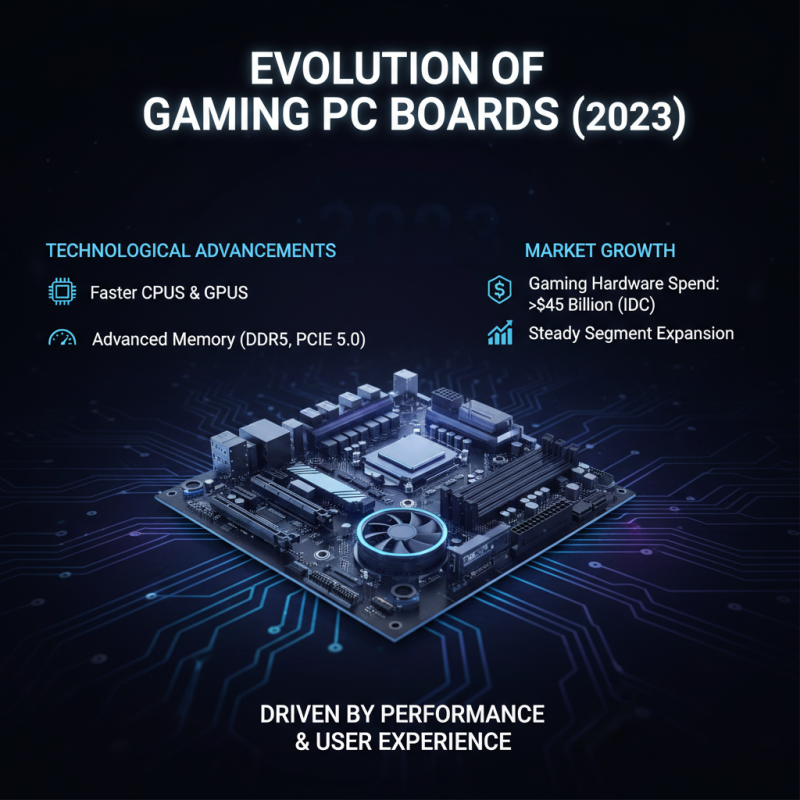
In 2023, the landscape of PC boards tailored for gaming and high-performance tasks has significantly evolved, driven by advancements in technology and an increasing demand for better performance. According to a recent market analysis by IDC, the gaming segment is projected to grow steadily, with gaming hardware spending expected to exceed $45 billion by the end of the year. This surge indicates that gamers and professionals alike are seeking the best components to enhance their user experience and productivity.
High-quality PC boards are pivotal in achieving optimal performance for demanding applications. Features such as enhanced thermal management, superior power delivery systems, and support for the latest DDR5 memory have become essential in high-performance builds. A report by Jon Peddie Research highlights that motherboards supporting advanced PCIe 5.0 standards can significantly reduce latency and increase data transfer rates, crucial for gaming and intensive workloads. These innovations ensure that users can benefit from reduced load times and improved frame rates, making them indispensable tools for competitive gamers and content creators alike.
Moreover, the integration of robust connectivity options, including Wi-Fi 6E and multiple M.2 slots for SSDs, allows users to maximize their system's performance potential. This is particularly important as gaming and high-performance computing continue to require ever-increasing data throughput. As the industry moves forward, selecting the right PC board tailored for specific performance needs will be essential for gamers and professionals aiming to stay at the forefront of technology.
Comparative Analysis of Features and Specs of Each Board
When selecting a PC board for optimal performance in 2023, several key features and specifications play a crucial role in the overall functionality and user experience. A comparative analysis reveals that metrics such as processing power, memory capacity, and connectivity options are vital for achieving high performance. According to a recent industry report by Statista, the demand for boards supporting PCIe 4.0 has surged, as they offer increased bandwidth and faster data transfer rates, making them essential for gaming and intensive computational tasks.
Another significant aspect is the board's thermal management capabilities. Thermal performance is critical in preventing throttling during heavy workloads, as excessive heat can degrade component longevity and performance efficiency. A study conducted by Tom's Hardware indicates that boards designed with advanced VRM (Voltage Regulator Modules) systems and efficient heatsink layouts can sustain higher clock speeds without overheating. This is particularly important for users who engage in overclocking, where stability under extreme loads is paramount.
Additionally, compatibility with the latest RAM technologies, such as DDR5, is increasingly becoming a standard expectation. The increased speed and bandwidth capabilities offered by DDR5 can significantly enhance data processing efficiency, improving overall system responsiveness. Research from PC Gamer highlights that transitioning to DDR5 can yield performance boosts of up to 25% compared to previous generation RAM. Consequently, users looking for future-proof solutions should prioritize boards that integrate these evolving technologies to remain competitive in the rapidly advancing computing landscape.
Top 10 PC Boards for Optimal Performance in 2023
| Board Name |
Processor Socket |
RAM Slots |
Max RAM Support |
USB Ports |
Network Connectivity |
Form Factor |
| ATX Elite 2023 |
LGA 1200 |
4 |
128 GB |
6 |
Ethernet + Wi-Fi 6 |
ATX |
| Micro Flex 2023 |
AM4 |
2 |
64 GB |
4 |
Ethernet |
Micro-ATX |
| Gaming Pro 2023 |
LGA 1700 |
4 |
128 GB |
8 |
Ethernet + Wi-Fi 6E |
ATX |
| Compact Nano 2023 |
LGA 1151 |
2 |
32 GB |
4 |
Ethernet |
Mini-ITX |
| Workstation Ultra 2023 |
LGA 3647 |
8 |
512 GB |
6 |
Ethernet + Wi-Fi 6 |
E-ATX |
| Budget Board 2023 |
AM5 |
2 |
32 GB |
4 |
Ethernet |
Micro-ATX |
| Enthusiast Tech 2023 |
LGA 1700 |
4 |
128 GB |
10 |
Ethernet + Wi-Fi 6E |
ATX |
| Power User 2023 |
LGA 1200 |
4 |
64 GB |
8 |
Ethernet + Wi-Fi 5 |
ATX |
| Max Performance 2023 |
AM4 |
4 |
128 GB |
6 |
Ethernet + Wi-Fi 6 |
ATX |
User Reviews and Expert Recommendations for 2023 PC Boards
When selecting the ideal PC board in 2023, user reviews and expert recommendations play a crucial role in guiding your decision. Users often highlight the importance of compatibility with existing components, as well as the board’s overall durability and performance. Feedback from seasoned builders can shed light on how different boards handle overclocking and thermal management, which are vital for achieving optimal performance in high-demand scenarios. Many enthusiasts have noted that the layout of the board can significantly affect cable management and airflow within the case, which can lead to better cooling and system stability.
Tip: Always check community forums and trusted hardware review sites for firsthand accounts and benchmarks. This not only provides insight into how the board performs in real-world scenarios but also reveals potential issues that may not be immediately apparent from specifications alone. Engaging with fellow builders can offer tips on maximizing the board’s potential based on their unique setups.
Moreover, expert recommendations often emphasize the significance of future-proofing your choice. Consider features like PCIe version support, RAM capacity, and M.2 slots for SSDs. These factors ensure that your system will remain relevant as software demands evolve. As you gather information, remember to balance performance requirements with your budget, as this can lead to the best value for your investment.
Tip: Create a checklist of must-have features for your build and use it to guide your selections. Keeping your priorities in mind will simplify the decision-making process and help you focus on the boards that meet your specific needs.