The realm of electronic manufacturing is complex and diverse. Among the pivotal components in this field are various PCB types. Each type serves a unique function and is designed for specific applications. Understanding these differences is crucial for global buyers.
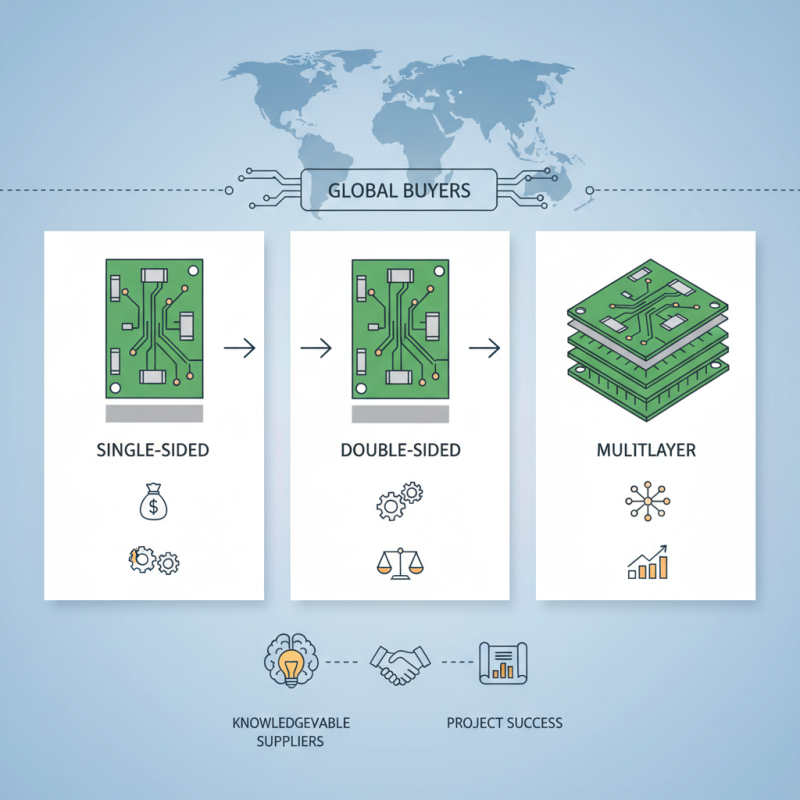
Different PCB types include single-sided, double-sided, and multilayer boards. Each type has its own strengths and weaknesses. For instance, single-sided PCBs are cost-effective but limited in functionality. In contrast, multilayer boards offer advanced capabilities. Yet, they come with higher production costs.
Deciding on the right PCB type can be challenging. Buyers must consider factors such as application demands and budget constraints. It’s essential to work with knowledgeable suppliers to ensure quality and reliability. Engaging with experts in the field can provide valuable insights. Understanding PCB types enables informed decisions that significantly impact project success.
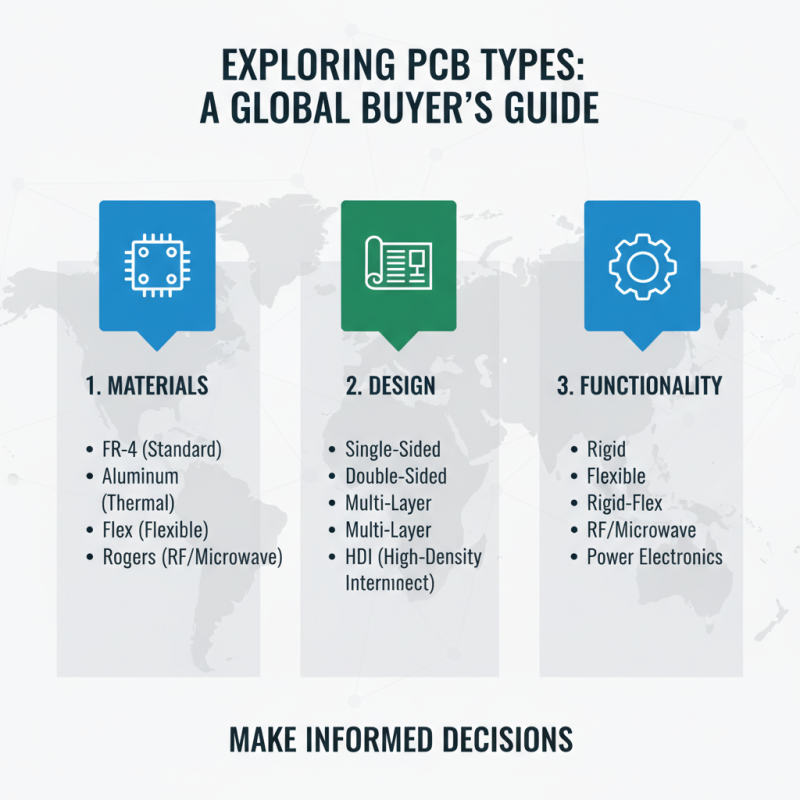
When exploring PCB (Printed Circuit Board) types, it's essential to understand the options available. These boards vary in materials, design, and functionality. For global buyers, knowing the fundamentals can help guide decisions.
Different PCB types include single-sided, double-sided, and multilayer boards. Each type serves specific applications and industries. Single-sided boards are cost-effective, while double-sided boards offer more complex routing. Multilayer boards enable advanced designs that require high density and efficiency. Consider project requirements carefully.
**Tips**: Research the specific needs of your project before selecting a PCB type. A poorly chosen board can lead to costly revisions. Additionally, consider future scalability. Will your design evolve?
Another factor is the manufacturing process. Different materials will affect durability and performance. For example, some PCBs may not perform well under extreme conditions.
**Tips**: Always validate your choices with reliable suppliers. Their expertise can prevent mishaps in your project. Documentation and quality control play a vital role in PCB development. Choosing wisely now can provide long-term benefits.
Rigid printed circuit boards (PCBs) are essential components in modern electronics. They offer distinct advantages that make them popular among global buyers. One significant benefit is their durability. Rigid PCBs can withstand environmental stress, ensuring long-term reliability in devices. According to a 2021 report by IPC, over 70% of manufacturers favor rigid PCBs for their structural integrity. However, while they provide robust support for electronic components, they lack flexibility, limiting their use in some applications.
The manufacturing process for rigid PCBs is well-established. This consistency leads to reliability in mass production, as noted in a 2022 study by IPC. Yet, this uniformity may not suit innovative designs, leading to constraints in creativity. Engineers often find themselves rethinking design choices due to these limitations. While rigidity is a strength, it can also be a stumbling block in rapidly evolving industries.
Tips: When designing with rigid PCBs, consider the specific application. Analyze the required durability and weight constraints. It's crucial to balance performance with design flexibility. Lastly, seek expert advice on material choices to ensure optimal outcomes. Investing time in these aspects can enhance both functionality and innovation in your projects.
| PCB Type | Key Characteristics | Advantages | Limitations |
|---|---|---|---|
| Rigid PCB | Solid structure, inflexible | High durability, low cost | Limited design options, cannot be bent |
| Flex PCB | Flexible, lightweight design | Space-saving, versatile applications | Higher cost, less durable |
| Rigid-Flex PCB | Combination of rigid and flexible layers | Complex designs, efficient use of space | More expensive, complicated manufacturing |
| Multi-layer PCB | Multiple layers of circuitry | High component density, better performance | Higher complexity, increased costs |
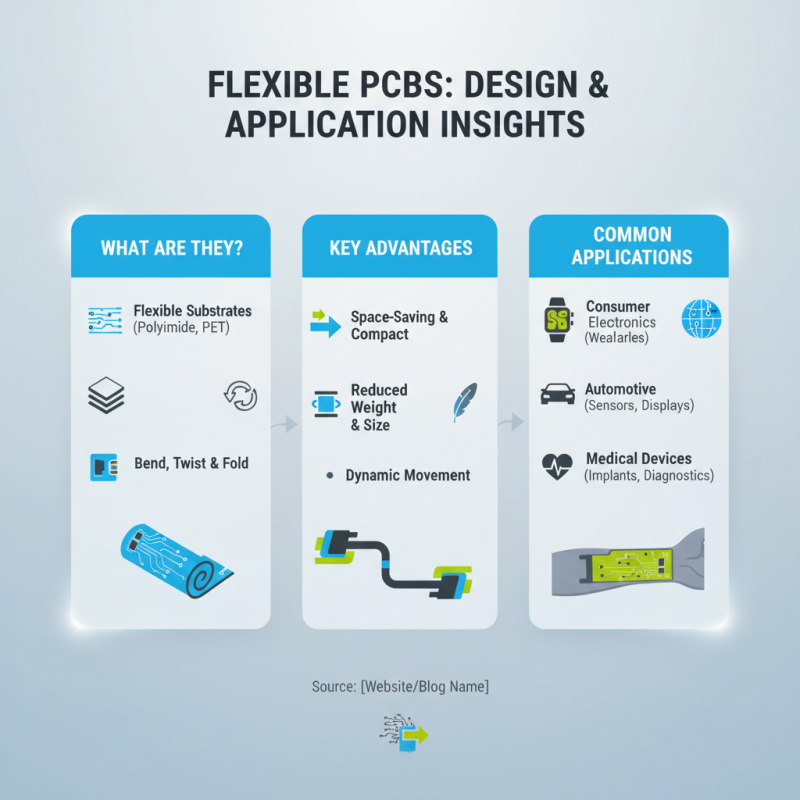
Flexible printed circuit boards (PCBs) represent a unique category in electronic design. These boards are crafted using flexible substrates, which allow for bending and twisting. This characteristic significantly enhances their versatility, making them ideal for applications in confined spaces. Consumer electronics, automotive components, and medical devices often rely on flexible PCBs.
Designing flexible PCBs requires careful consideration. Engineers must account for factors like mechanical stress, heat resistance, and electrical performance. A common challenge is ensuring signal integrity while maintaining the desired flexibility. The choice of materials plays a crucial role. Insulating materials and conductive inks must be selected wisely to optimize performance.
Applications for flexible PCBs are broad. They facilitate lightweight designs and are essential in wearables and portable devices. However, the production process can sometimes lead to defects. Engineers need to validate their designs through testing. A reflective approach to these designs can lead to improvements. Each project offers learning opportunities that can enhance future designs.
Rigid-flex PCBs are a vital innovation in the electronics industry. They combine the benefits of both rigid and flexible circuits. These PCBs offer enhanced durability without compromising flexibility. A report by MarketsandMarkets estimates that the global rigid-flex PCB market will reach $2 billion by 2025, reflecting significant demand. Their increasing adoption in industries like medical devices and aerospace highlights their importance.
When considering rigid-flex PCBs, there are key factors to weigh. Designers must assess the specific application requirements. For example, the intricacies of PCB layout and material selection can affect performance. The manufacturing process can also introduce challenges. Users should ensure the PCB environment is suitable to prevent failures.
Tips: Always prototype early to test designs. Understand the mechanical stresses your PCB will encounter. And, remember to collaborate closely with manufacturers for best outcomes.
Selecting the right PCB type is crucial for global buyers. Various factors should influence this decision. Understanding the specific application of the PCB is essential. Different applications require different materials and designs. For instance, high-frequency applications necessitate materials with low dielectric loss. In contrast, standard applications might only need basic materials.
Moreover, consider the manufacturing processes involved. Some PCBs require multilayer designs. This complexity increases the cost and time of production. Evaluating production capabilities of manufacturers is key. Can they meet your volume and timeline? Quality assurance processes also play a vital role. It is important to work with suppliers known for their reliability.
The environmental impact of PCBs is another consideration. As sustainability becomes increasingly important, select manufacturers who prioritize eco-friendly materials and processes. This can enhance brand value and compliance. Finally, understanding international standards is necessary. Different regions have unique requirements. Buyers must ensure their PCBs meet these standards to avoid issues. Balancing all these factors can be challenging yet rewarding.