10 Best PCB Circuit Board Suppliers for Global Buyers
For global buyers, choosing a PCB circuit board supplier means balancing engineering capability, quality controls, communication, and delivery reliability. The lowest quote may not reflect the full cost of testing, revisions, freight, or delayed production. Small details matter. A controlled-impedance design, unusual stack-up, or tight drill tolerance can change which factory is a sensible fit. Buyers should check whether a supplier can explain its process, not merely promise a fast turnaround. Ask about inspection records, material traceability, sample builds, and how engineering questions are handled. These details can distinguish a polished sales pitch from a dependable production relationship.
This guide reviews 10 suppliers in the pcb circuit board market, focusing on factors that affect real purchasing decisions. It considers product range, manufacturing services, quality practices, customization, communication, and support for prototype or volume orders. Supplier capabilities vary, and published information may not show how a factory performs against your exact requirements. That uncertainty deserves attention. Treat the comparison as a starting point, then confirm current certifications, specifications, pricing, and lead times directly with each supplier. A fit on paper can still disappoint. Share drawings and acceptance criteria early, and request clear answers before committing to production. The goal is not to crown one universal winner, but to identify a partner suited to your board, schedule, and risk tolerance.

What PCB Circuit Board Suppliers Do
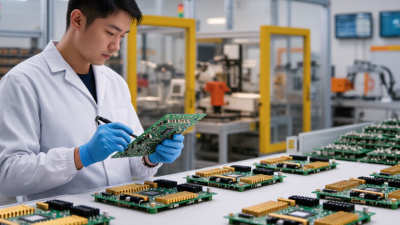
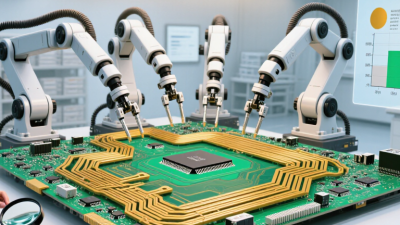
PCB circuit board suppliers turn design files into physical boards that can be assembled into electronic products. Their work often begins with reviewing Gerber files, drill data, and layer requirements. Engineers may flag narrow traces, tight spacing, or unclear notes before production. This design-for-manufacturing review can prevent costly rework, though it does not replace the designer’s own checks.
Suppliers also source laminate and copper, build the specified layer stack, and manage drilling, plating, etching, and solder-mask application. A six-layer board, for example, needs carefully aligned inner layers and reliable plated holes. Quality checks may include electrical continuity tests, visual inspection, and dimensional measurements. Ask which tests are included, what documentation accompanies the order, and how material substitutions are handled. Some suppliers offer component sourcing or assembly, but those services are not automatic. The handoff can be messy. File versions and change notes are easy to overlook, and a supplier cannot infer every design intention. Clear specifications and timely communication help both sides catch problems before boards ship.
10 Best PCB Circuit Board Suppliers for Global Buyers - What PCB Circuit Board Suppliers Do
This is a practical comparison of ten common PCB supplier profiles, not a ranking of named companies. Actual processes, capabilities, certifications, and service terms vary by supplier and should be verified before ordering.
| Supplier Profile | Typical PCB Work | What the Supplier Does | Often Suited To | What Buyers Should Check |
|---|---|---|---|---|
| Prototype and Quick-Turn Supplier | Small batches of standard rigid boards | Reviews design files, fabricates prototype boards, and provides production data such as a fabrication drawing or electrical test report when included in the order. | Design verification, engineering samples, and early product development | Quoted lead time, minimum order quantity, file requirements, included testing, and shipping time |
| Standard Rigid PCB Supplier | Single-sided, double-sided, and multilayer rigid boards | Manufactures boards from customer-provided design data using processes such as imaging, etching, drilling, plating, solder-mask application, and surface finishing. | General electronics, control boards, and established product designs | Supported layer counts, board thickness, copper weight, tolerances, and available finishes |
| High-Volume Production Supplier | Repeat production orders for rigid PCBs | Plans production lots, manages process controls, and coordinates inspection and electrical testing according to the agreed specifications. | Products with stable designs and recurring demand | Production capacity, quality records, lot traceability, change control, and repeat-order consistency |
| HDI PCB Supplier | High-density interconnect boards with fine features and microvias | Builds compact, densely routed boards using specialized layer structures and via technologies, subject to its process capabilities. | Space-constrained electronics, including compact consumer and communications devices | Minimum feature sizes, microvia structure limits, stack-up review, and design-for-manufacturing feedback |
| Rigid-Flex PCB Supplier | Rigid sections joined by flexible circuit sections | Fabricates integrated rigid and flexible layers designed to connect components while allowing specified sections to bend. | Assemblies where connectors or separate wired interconnects can be reduced | Bend radius, flex-layer materials, copper design, coverlay requirements, and expected flexing conditions |
| Flexible PCB Supplier | Flexible circuits made on bendable insulating materials | Produces flexible circuits and may supply single-layer, double-layer, or multilayer constructions depending on its equipment and processes. | Moving, curved, or space-limited electronic assemblies | Material options, bend requirements, stiffener needs, connector details, and handling requirements |
| Heavy-Copper PCB Supplier | Boards with thicker copper conductors than common standard constructions | Manufactures copper features intended for designs with higher current paths or particular thermal and mechanical requirements. | Power electronics, industrial controls, and some energy-related equipment | Available copper thickness, track and spacing limits, thermal design assumptions, and finished-board tolerances |
| Metal-Core PCB Supplier | Insulated metal substrate boards, commonly aluminum-based | Builds boards with a metal base and dielectric layer to support heat transfer from mounted components into the board structure. | LED lighting and other designs that require a thermal path through the PCB | Base material, dielectric properties, board thickness, surface finish, and thermal design data |
| High-Frequency PCB Supplier | Boards designed for high-frequency signal applications | Processes specified laminate materials and controlled board structures for applications where electrical properties and geometry matter. | RF, microwave, antenna, and high-speed signal designs | Supported laminates, stack-up control, impedance requirements, material substitutions, and test documentation |
| PCB Assembly and Turnkey Supplier | Fabricated boards with component assembly, or combined fabrication and assembly | May source components, assemble surface-mount or through-hole parts, and perform agreed inspections or functional tests in addition to PCB fabrication. | Buyers seeking a populated board or a consolidated manufacturing workflow | Component sourcing policy, approved substitutions, assembly capability, inspection scope, test coverage, and ownership of supplied parts |