Skip to content

China Top PCB Printed Circuit Board Suppliers?

China remains the world’s most important manufacturing base for pcb printed circuit board production. Prismark’s 2024 industry analysis identifies China as contributing roughly half of global PCB sales value. That scale reflects dense supplier networks, mature component ecosystems, and substantial investment in HDI, flexible, rigid-flex, and high-layer-count boards. However, market size does not automatically prove supplier quality. It only creates more choices.

This guide examines leading Chinese PCB suppliers through practical evaluation criteria. These include manufacturing capability, engineering support, certification coverage, delivery stability, and traceability. IPC’s 2024 industry updates continue to highlight demand for higher-density interconnects, stronger reliability controls, and resilient supply chains. Those requirements matter when a board carries fine-pitch BGA parts, laser-drilled microvias, or controlled-impedance traces. A capable supplier should provide clear stack-up drawings, material specifications, test records, and realistic production timelines.

Real projects are less tidy. A factory may show excellent samples but struggle during volume ramp-up. Another may offer low pricing while limiting process transparency. This comparison therefore considers evidence beyond promotional claims, including ISO 9001 and IATF 16949 certification, UL recognition, IPC-A-600 workmanship practices, and customer-service responsiveness. The exact ranking remains debatable. Supplier suitability depends on application, annual volume, regulatory needs, and tolerance requirements. Readers should verify current certificates, audit production lines, and request recent capability data before making a purchasing decision. Reports from Prismark, IPC, and the China Printed Circuit Association provide useful direction, but direct technical validation remains essential.
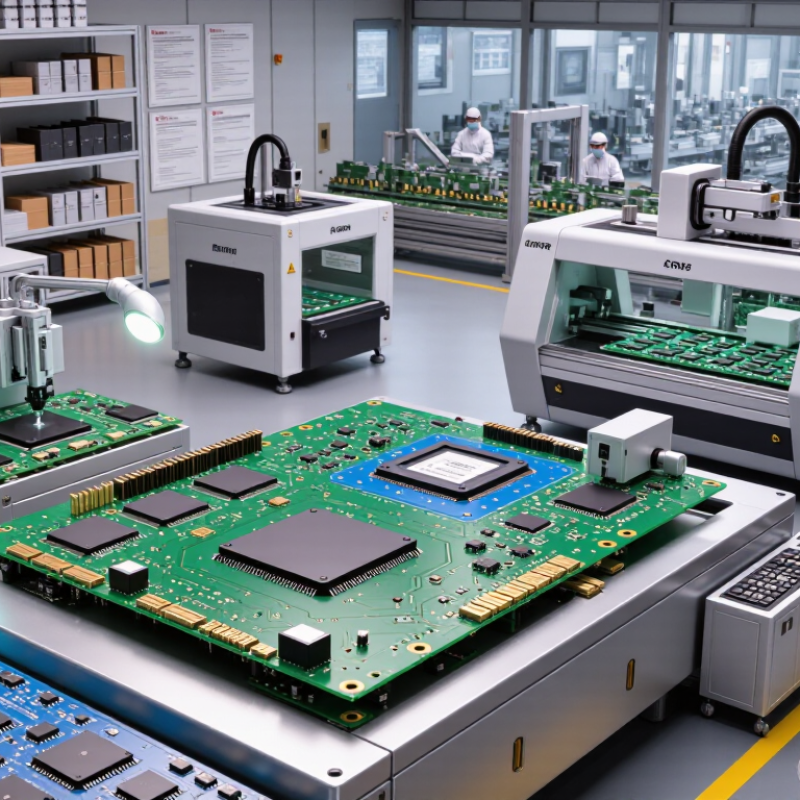
China Top PCB Printed Circuit Board Suppliers?

What Defines a Top PCB Supplier in China?

A top PCB supplier in China is defined by repeatable performance, not a polished website. The real test begins with engineering questions. Can the team review stack-up design, impedance targets, copper weight, and thermal demands? Experienced engineers identify risks before Gerber files reach production. They also explain trade-offs in plain language. A reliable supplier provides controlled prototypes, documented revisions, and traceable material certificates. These details matter when a board moves from a quiet lab to a busy assembly line.

Manufacturing discipline separates capable suppliers from temporary vendors. Look for stable process controls, calibrated inspection equipment, and clear acceptance standards. Electrical testing should match the board’s function, while visual inspection should catch solder-mask scratches, uneven plating, and registration errors. Delivery records deserve equal attention. A supplier may promise five days, then struggle with one urgent batch. That gap is worth discussing honestly. No factory is perfect, but strong teams report deviations, investigate causes, and prevent repeated failures.

Tips: Ask for a sample inspection report and a recent corrective-action example. Confirm minimum order quantities, prototype pricing, lead times, and engineering support in writing. Visit the facility if possible, or request a live video walkthrough. Check whether production data, test results, and revision history remain accessible. Do not select the lowest quote automatically. Cheap boards can become expensive after assembly delays. I would also compare two or three trial orders, because one successful prototype can still hide weak consistency.
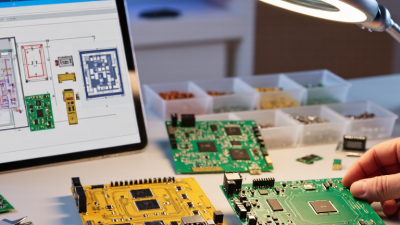

Key PCB Manufacturing Capabilities and Technologies

China Top PCB Printed Circuit Board Suppliers?

A strong supplier needs more than competitive pricing. The global PCB market reached about USD 89.7 billion in 2023, according to Fortune Business Insights. It may exceed USD 146 billion by 2032. This growth increases pressure on factories to deliver stable yields, not only larger capacity.

Key manufacturing capabilities include HDI fabrication, laser-drilled microvias, sequential lamination, and controlled-impedance routing. Advanced lines should support fine traces, via-in-pad structures, rigid-flex designs, and high-frequency materials.

IPC standards, including IPC-6012 and IPC-A-600, provide useful references for qualification and acceptance. However, certificates alone prove little. Process records matter more.

Look for automated optical inspection, X-ray inspection, flying-probe testing, and microsection analysis. A reliable factory should also control solder-mask thickness, copper plating uniformity, and thermal performance. Traceability should connect each panel to materials, operators, and test results.

IPC industry research continues to identify supply-chain resilience and quality consistency as major manufacturing concerns. Yet many supplier profiles hide yield rates and rework data. That is a weakness. Buyers should request sample reports, cross-sections, and controlled pilot runs before approving mass production.

In practice, the most impressive capability list can still fail under tight tolerances.

Major Types of PCB Suppliers in China

China’s Top PCB Printed Circuit Board Suppliers

China’s PCB supply market includes several major supplier types. Prototype houses focus on quick-turn boards, small batches, and design feedback. They often support two- to eight-layer boards, with samples delivered in days. Volume manufacturers handle stable production for consumer electronics, industrial controls, and automotive systems. Their strengths include automated assembly, material planning, and repeatable testing.

Specialized suppliers produce rigid-flex, flexible, HDI, or high-frequency boards. These factories usually require stricter layout reviews and controlled production rooms. A reliable supplier should provide traceability for copper foil, laminate, solder mask, and finished boards. Ask for cross-section reports, impedance results, and electrical test records. Experience matters here. A supplier may claim broad capability, yet real capacity can be narrower than its website suggests. That deserves careful checking.

Tips: Match the supplier type to your project stage. Request a sample before placing a large order. Review DFM comments with the factory engineer, not only the salesperson. Check ISO 9001 systems and IPC-based inspection procedures. Confirm minimum order quantities, lead times, engineering fees, and repair policies in writing. Visit the facility if possible. Photos help, but production records tell more. One overlooked detail is communication speed. A technically strong supplier can still cause delays when questions remain unanswered.

How to Evaluate Chinese PCB Manufacturers

China Top PCB Printed Circuit Board Suppliers?

How to Evaluate Chinese PCB Manufacturers

China produced about 54% of global printed circuit boards in 2023, according to Prismark’s 2024 PCB industry data. That scale creates strong capacity, but volume alone does not prove engineering quality. Evaluate a manufacturer through documented evidence, not attractive quotations.

Request recent capability records for layer count, minimum trace width, controlled impedance, copper thickness, and hole tolerance. Confirm whether these values match your design files. Ask for first-article inspection reports, cross-section images, solderability results, and electrical test coverage. IPC industry studies repeatedly identify quality consistency and supply-chain visibility as major electronics manufacturing concerns. Those areas deserve careful questions.

Audit the factory, remotely or in person. Check material labeling, humidity control, drilling maintenance, and lot traceability. A reliable supplier should explain its ISO 9001 system, corrective-action process, and production yield using clear records. Do not accept “high yield” without dated data.

Start with a small pilot order. Compare delivered boards against drawings, Gerber files, and agreed inspection standards. Measure warpage yourself. It is easy to overlook packaging damage or finish discoloration. I have seen low prices hide extra engineering changes and longer approval cycles. This is not always the manufacturer’s fault; unclear specifications create avoidable disputes. Ask for a written quotation showing tooling, testing, material grade, lead time, and replacement terms. No checklist is perfect. Independent verification still matters.

China Top PCB Printed Circuit Board Suppliers? - How to Evaluate Chinese PCB Manufacturers

Evaluation Dimension Recommended Benchmark Why It Matters Evidence to Request Suggested Weight
Quality Management System Valid ISO 9001 certification issued by an accredited certification body Shows that documented processes, corrective actions, and internal controls are in place Certificate number, scope, expiry date, and latest audit status 15%
Product and Industry Compliance Ability to provide material and process documentation supporting RoHS and REACH requirements Reduces regulatory, environmental, and import-compliance risks Material declarations, test reports, supplier compliance statements, and traceability records 8%
PCB Technology Fit Documented capability for the required layer count, board thickness, copper weight, impedance, and surface finish A supplier must be able to produce the design repeatedly, not only as a one-time prototype Capability matrix, engineering review, sample reports, and completed design-for-manufacturing feedback 15%
Prototype Lead Time Typically about 5–15 working days for standard prototypes after design approval; confirm by technology and quantity Short, predictable prototype cycles accelerate design validation Written lead-time schedule, recent delivery records, and escalation procedure 8%
Production Lead Time Typically about 10–30 working days for conventional production orders, depending on complexity and capacity Reliable planning is more valuable than an unrealistically low quoted lead time Capacity plan, production schedule, on-time delivery history, and holiday planning policy 10%
Quality Inspection and Testing Automated optical inspection, electrical testing, and documented final inspection for applicable orders Multiple inspection stages help detect open circuits, shorts, solder-mask defects, and dimensional errors Inspection flow chart, test coverage, sample inspection report, and nonconformance procedure 15%
Yield and Defect Transparency Supplier should disclose meaningful first-pass yield, defect categories, and corrective-action data under confidentiality terms Transparent data indicates process maturity and supports supplier-risk assessment Anonymized quality dashboard, 8D reports, customer complaint records, and trend data 10%
Material and Lot Traceability Traceability from laminate and copper foil lots through production, inspection, and shipment Enables faster root-cause analysis, recalls, and controlled product changes Lot-code examples, material certificates, production travelers, and retention policy 7%
Engineering Communication Dedicated engineering contact, clear English documentation, and documented response times Fast clarification of stack-up, tolerance, impedance, and manufacturability issues prevents rework Pre-production review records, sample DFM report, and communication workflow 5%
Commercial and Supply-Chain Risk Clear quotation validity, payment terms, change-control process, packaging standard, and logistics options Protects total cost, delivery continuity, and ownership of technical changes Detailed quotation, contract terms, business-continuity plan, and logistics documentation 7%
Total Evaluation Weight 100%
Evaluation note: Benchmark figures are general screening references rather than guarantees. Actual capability, lead time, yield, and compliance should be verified through current documents, technical review, sample production, and a written quotation.

Quality Standards, Certifications, and Supply Chain Support

China’s top PCB suppliers are often judged by more than price or factory size. Quality begins with controlled materials, stable etching, and accurate drilling. Experienced suppliers should explain their inspection process clearly. They should provide evidence, not vague promises.

Look for ISO 9001 quality management certification and documented process controls. IPC-based workmanship criteria can support consistent solderability, trace width, and surface finish. For automotive projects, IATF 16949 may indicate stronger risk management. Environmental controls, such as ISO 14001, RoHS, and REACH compliance, also matter. Ask for certificates, audit dates, and the covered production site. Certificates alone are not enough.

Traceability should follow each lot from copper foil to final inspection. Useful records include material certificates, test reports, optical inspection images, and electrical test results. Supply chain support should include approved material alternatives, safety stock planning, and realistic lead-time updates. A capable supplier can discuss engineering changes before they become production delays. They should also protect revision data and confirm drawing changes in writing.

Small details reveal practical experience. A supplier that checks drill wear can prevent repeated hole defects. A supplier that tracks moisture exposure can reduce delamination risks. Yet no process is perfect. I would question any factory claiming zero defects in every shipment. Clear corrective-action reports are more trustworthy than flawless marketing language. Regular communication helps, but response speed can still weaken during peak seasons. Audits, sample builds, and independent testing remain valuable before larger orders.